Is Treasures of Aztec legit and safe to play?
Short answer: the game is legitimate and independently certified. The risk, where it exists, lives in where you play it, never in the game files themselves. Here's the full picture.
The game: certified math from a licensed studio
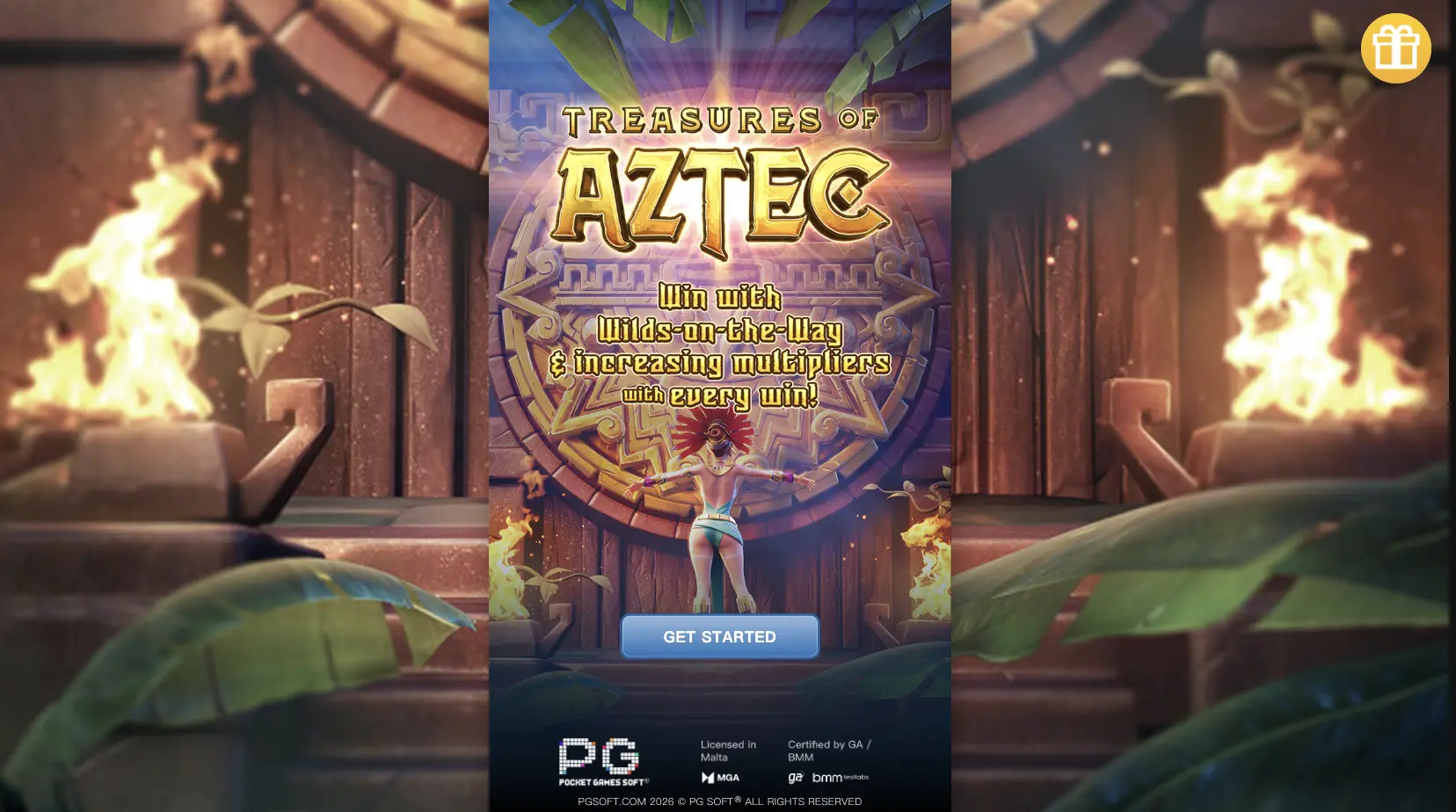
Treasures of Aztec is built by PG Soft (Pocket Games Soft), a studio founded in 2015 and licensed by the Malta Gaming Authority, with certifications from testing labs including BMM and Gaming Associates. Its random number generator gets audited against the published 96.71% RTP, and the same certified build ships to every legitimate casino.
What that means practically: the casino can't tighten the game when you're winning. Outcomes are generated on PG Soft's servers, outside operator control. A casino choosing PG Soft accepts the provider's math as-is, with one exception worth knowing: providers offer several certified RTP builds, and the in-game info panel always discloses which one you're on. Check it once per casino.
The Philippine regulatory picture in 2026
PAGCOR regulates all gambling within the Philippines. The key facts for players:
- Locally licensed e-game platforms are legal for players 21 and over, with mandatory KYC including government ID and a live selfie.
- The POGO era is over; offshore operators serving foreign markets from PH soil were banned outright by law.
- Licensed domestic platforms can't accept credit cards or crypto, by regulator rule. Those protections don't extend to offshore sites.
- International casinos (Curaçao, Malta licensed) accept Filipino players under their own licenses. Players use them widely for libraries that local platforms lack, PG Soft included, but disputes are settled under the offshore regulator's rules, outside PAGCOR's reach.
We're not lawyers, and this page is general information rather than legal advice. The honest summary: domestic licensed = strongest protection, smaller PG Soft selection; offshore licensed = full game access, protection only as good as the operator and regulator behind it. Which is exactly why our casino checks → lean so hard on payout testing and license verification.
The actual threats to your money
In years of community reports, player losses outside normal gameplay trace back to the same four sources:
1. Cloned casinos. Pixel-perfect copies of known brands on lookalike domains, harvested from Facebook ads. Deposits in, nothing out. Defense: type casino URLs yourself, bookmark them, never log in from ad links.
2. Pirated game files. Unlicensed lobbies running fake "PG Soft" games with invented math. Defense: play at operators from verified lists; if a known medium-volatility game suddenly behaves like a coin flip, leave.
3. Fake APKs and "predictor" apps. Covered in depth on the download page →. Defense: no standalone game APK exists; install nothing claiming otherwise.
4. The player's own pace. No scam required; betting over your bankroll does the damage for free. Defense: the limits described in strategies →, and the resources on our responsible gaming page →.
Quick legitimacy checklist for any casino
- License number in the footer, verifiable on the regulator's site
- The game loads from PG Soft's CDN (the info panel shows provider branding and RTP)
- KYC requested before withdrawal, never as a surprise after
- Live chat answers within minutes, in coherent English
- Withdrawal terms state concrete timeframes, with no "up to 30 days" weasel ranges
Five checks, five minutes, and you've filtered out the overwhelming majority of bad actors.
21+. Play responsibly.